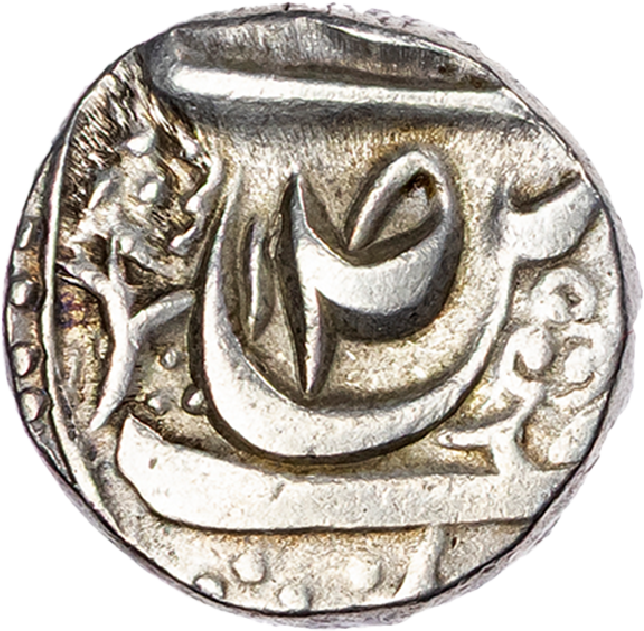

The silver Rupee is a classic example of sovereign coinage from the Princely State of Malerkotla. Issued under the authority of Nawab Amir Khan, this piece represents the pinnacle of local numismatic tradition. Struck in high-purity silver, each coin features traditional Persian inscriptions and the iconic "leaf" mark, reflecting the administrative and cultural sophistication of mid-19th century India.
Maler Kotla Silver Rupee (1821-1845), issued under Amir Khan, reflects regional rule in early colonial India. Featuring Persian inscriptions and Mughal-influenced design, it represents economic exchange and political identity during a time of shifting power and local autonomy.

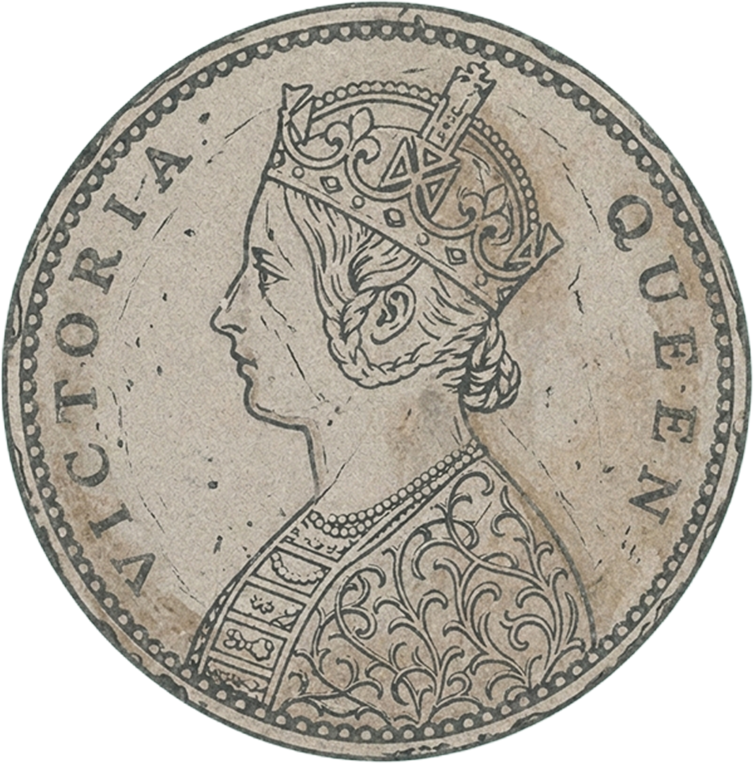
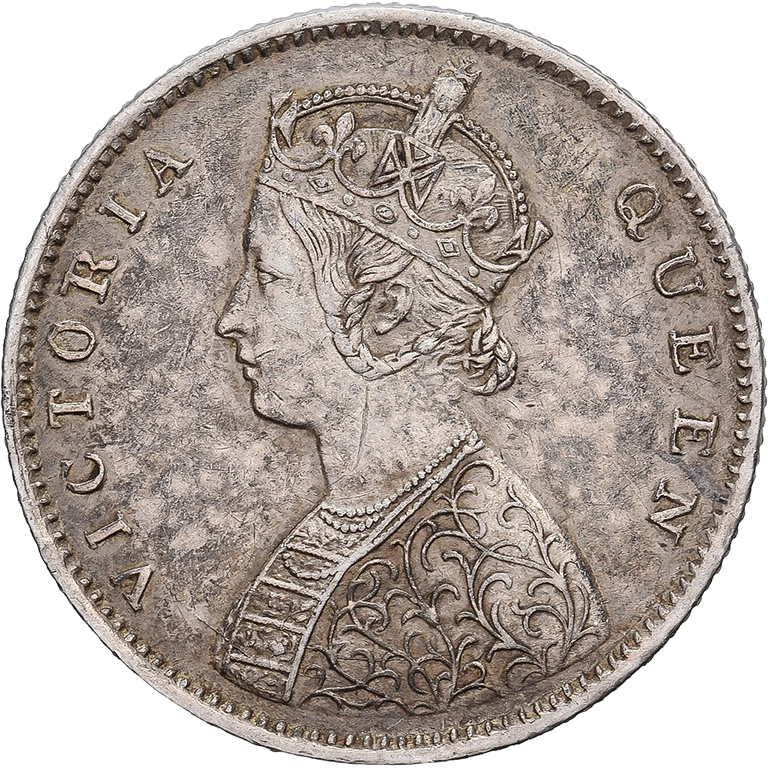
The 1862 silver ½ Rupee represents the transition to unified colonial coinage under the British Crown. Introduced after the East India Company's rule ended, it features Queen Victoria's crowned profile, symbolising imperial power and centralised governance. Struck in fine silver, the coin reflects a shift towards standardisation, reinforcing Britain's economic control while circulating widely across the Indian subcontinent as a tool of both trade and political presence.
The British India ½ Rupee (1862), issued under Queen Victoria, marks the formalisation of colonial coinage after the 1857 uprising. Featuring a crowned portrait and English inscriptions, it reflects imperial authority, standardised currency, and expanding British control over India's economic systems.
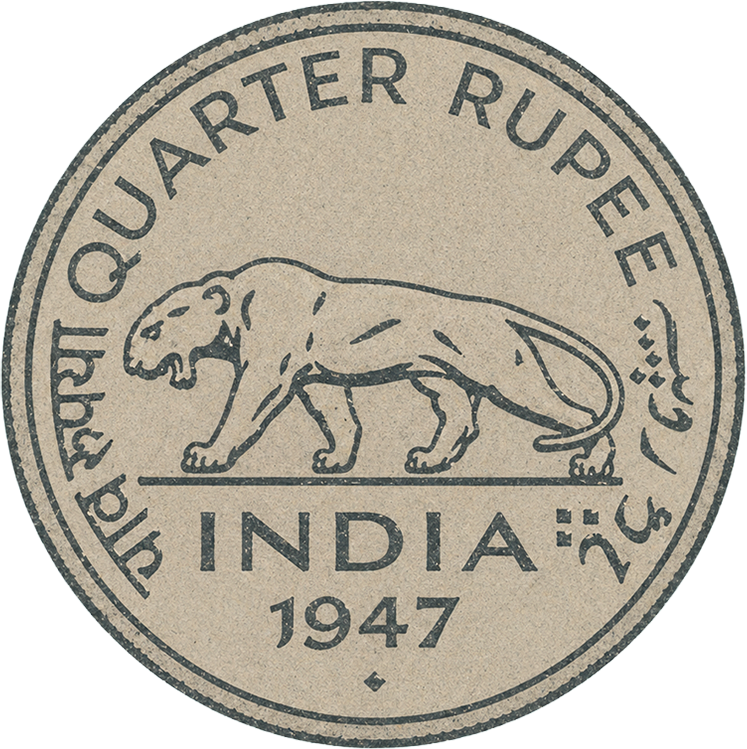
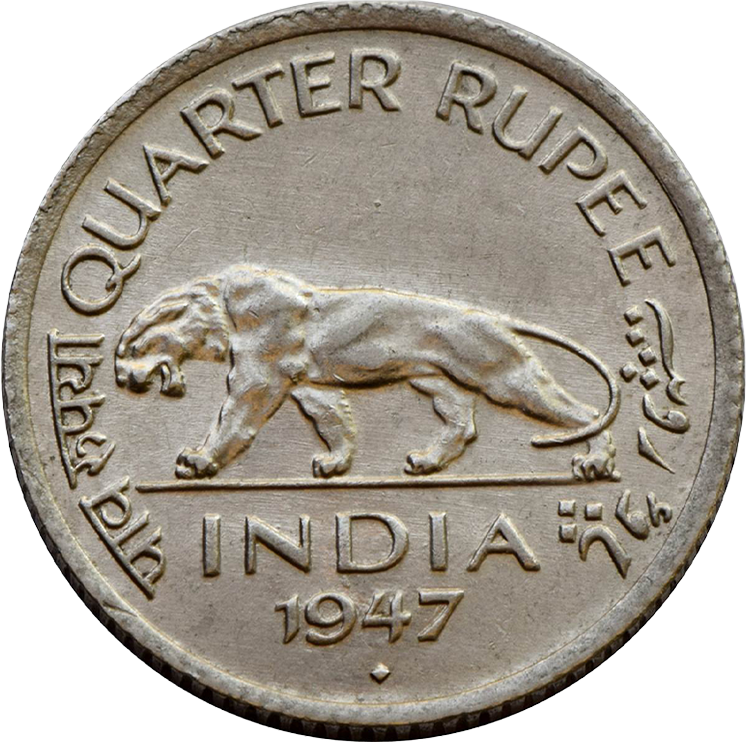
The 1947 Quarter Rupee represents a defining shift in India's monetary and political history. Issued at the moment of independence, it replaces imperial imagery with national symbolism, most notably the tiger, embodying resilience and power. The use of multiple scripts reflects linguistic diversity and inclusivity, while its widespread circulation established it as a symbol of sovereignty, economic continuity, and the beginning of a self-governed future.
The India Quarter Rupee (1947) marks the nation's transition to independence following the end of British colonial rule. Featuring the iconic tiger motif and multilingual inscriptions, it symbolises strength, unity, and the emergence of a new national identity during a pivotal historical moment.
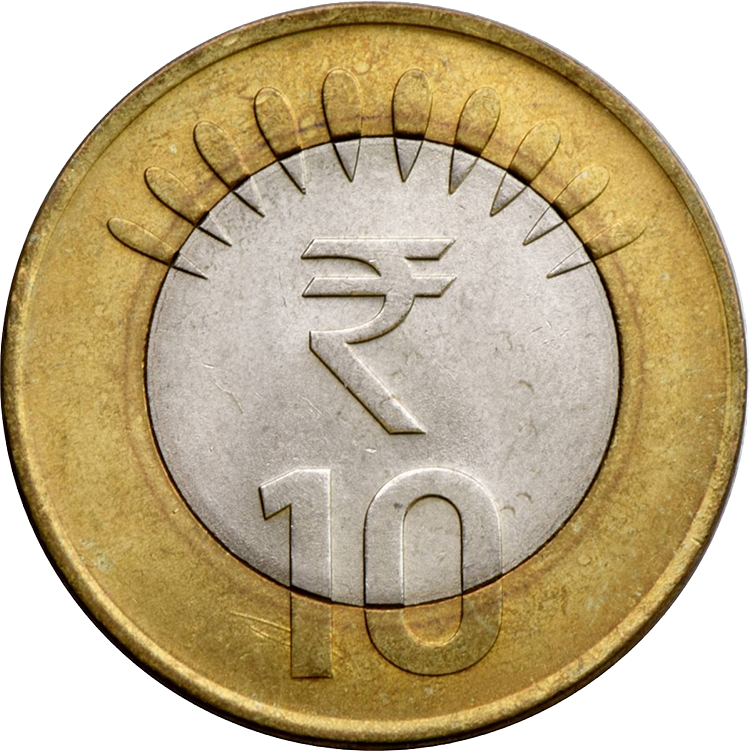
The ₹10 bimetallic coin is a defining example of modern Indian currency design. Combining a brass outer ring with a nickel-brass core, it symbolises strength and stability. Widely circulated, the coin carries the official rupee symbol and denomination, representing India's economic progress, unity in diversity, and transition into a globally connected financial system.
India's ₹10 coin, introduced in the early 21st century, reflects a modernising economy and evolving national identity. Featuring the rupee symbol and bilingual inscriptions, it represents financial growth, accessibility, and everyday circulation in contemporary India.
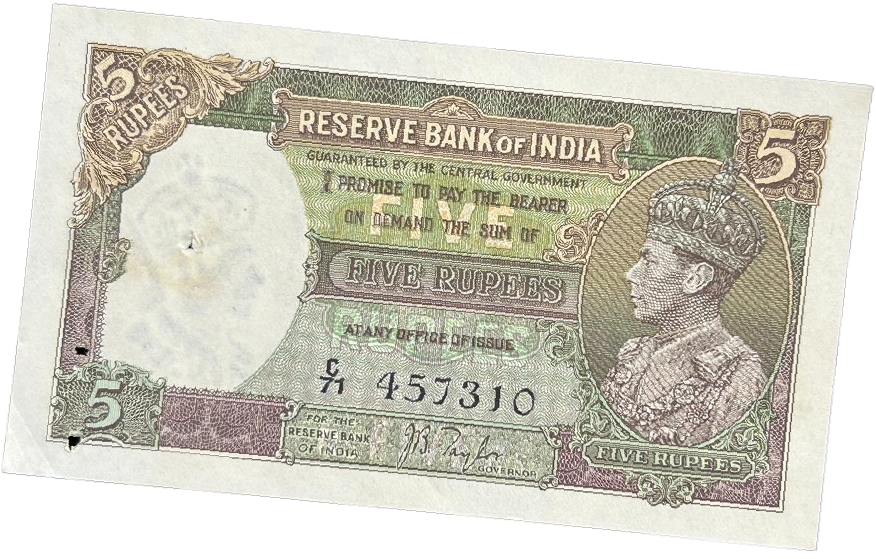
India's first Reserve Bank note, promising five rupees to the bearer under colonial authority.
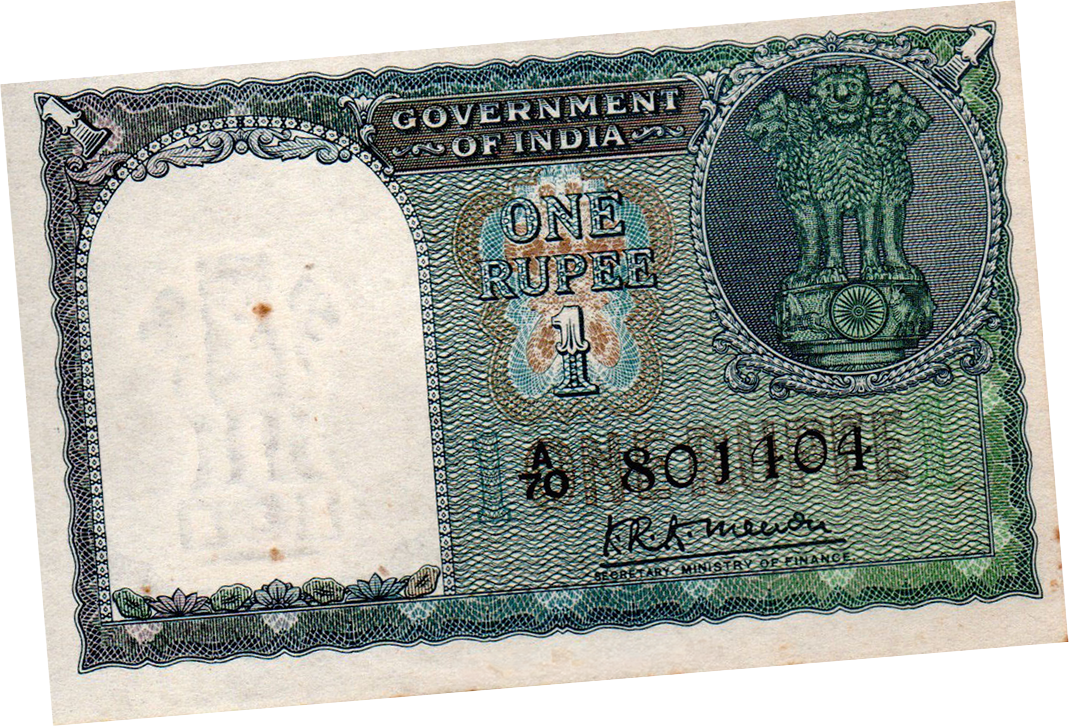
India's 1949 one rupee note marked early independence, symbolising sovereignty, transition, and economic identity.
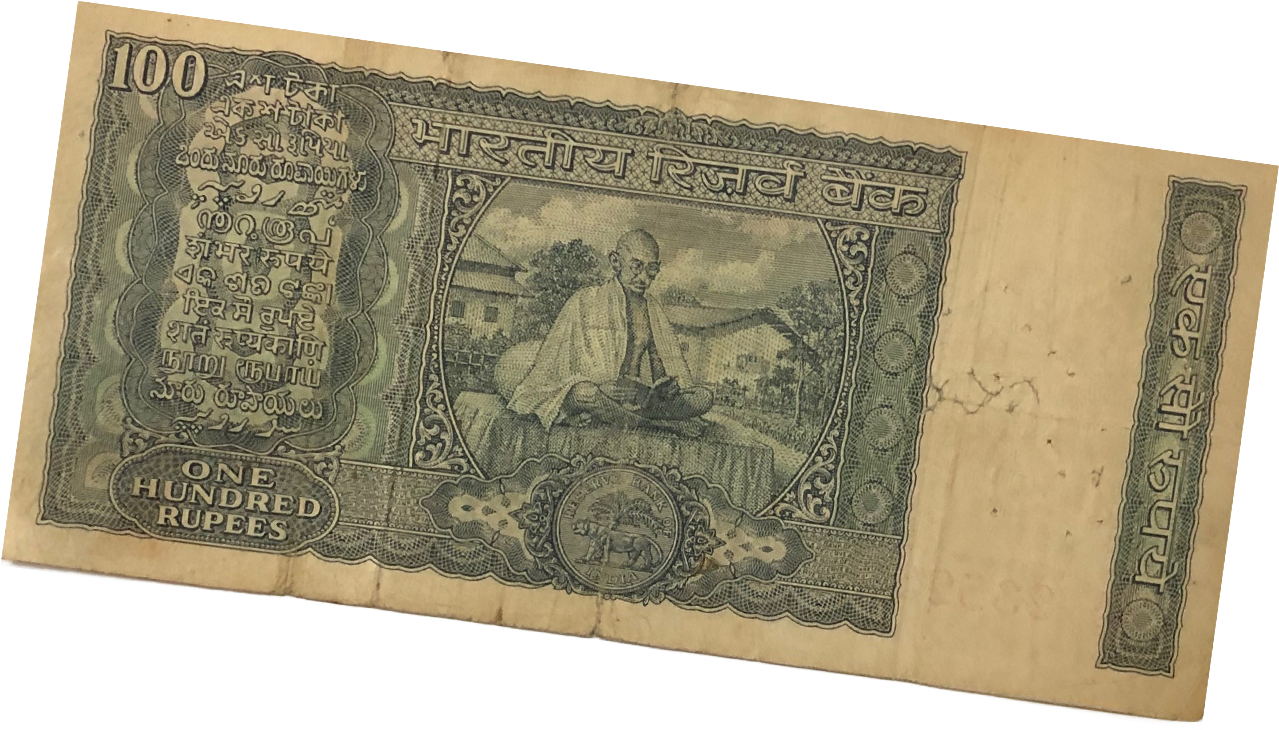
1969 hundred rupee note reflects state authority, economic planning, and visual identity during post-independence nation-building phase.
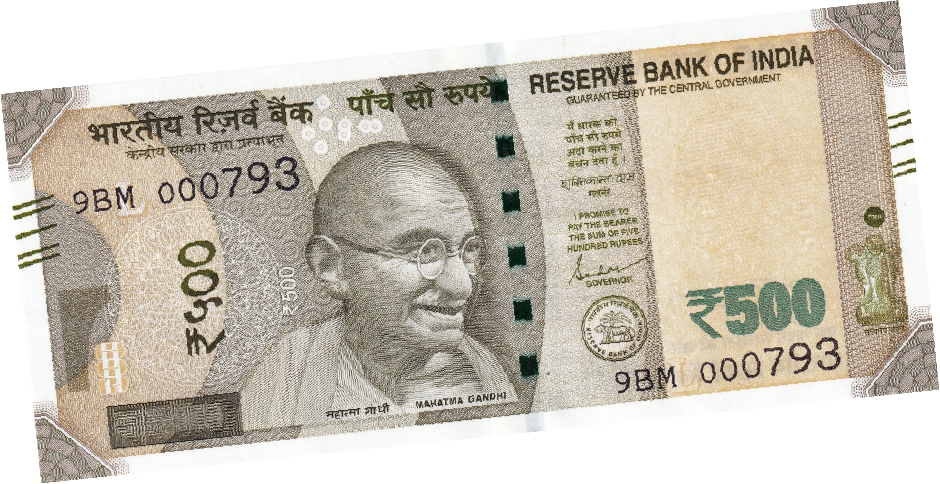
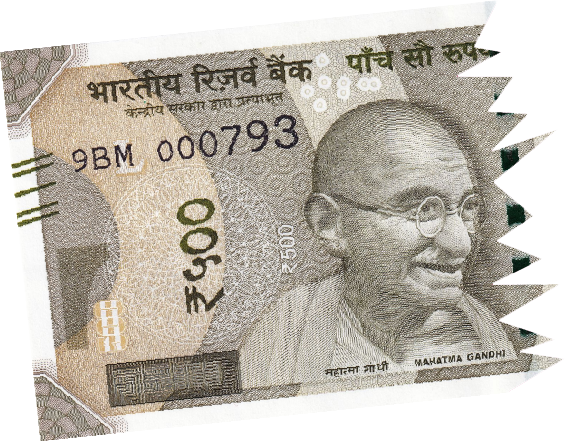
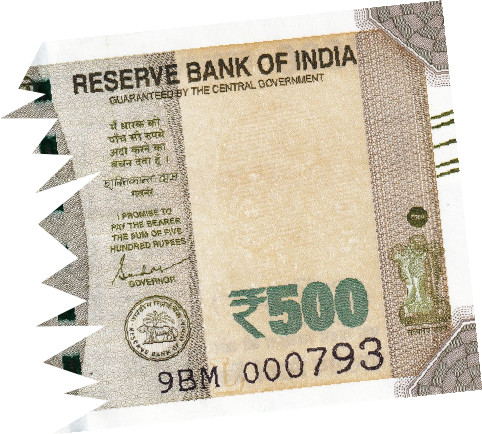
India's 2016 ₹500 note reflects demonetisation, economic reform, anti-corruption measures, and transition toward digital transactions nationwide.